
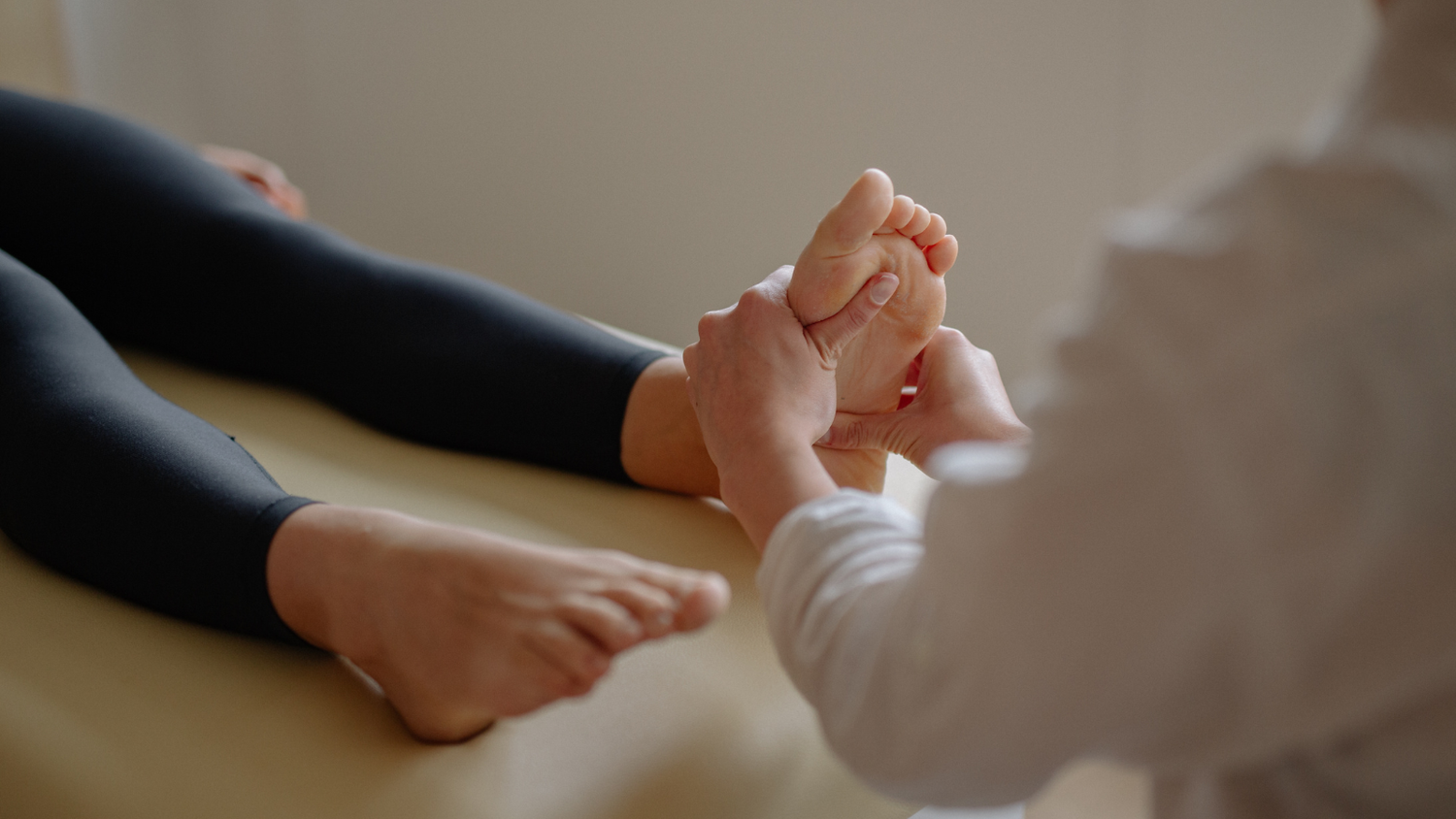
Heel pain is a common issue among runners, and one of the most frequent causes is plantar fasciitis. This condition can develop gradually and, if ignored, may interfere with running consistency and training progress.
Understanding what plantar fasciitis is, why it occurs, and how runners can prevent it can help keep you moving comfortably and injury-free.
What Is Plantar Fasciitis?
Plantar fasciitis occurs when the plantar fascia, a thick band of tissue that runs along the bottom of the foot, becomes irritated or inflamed.
This tissue supports the arch of the foot and absorbs impact when walking or running. Because runners place repeated stress on the feet, the plantar fascia can become overloaded over time.
When this happens, small tears can develop in the tissue, leading to pain and stiffness.
Common Symptoms:
The most common symptom of plantar fasciitis is heel pain, particularly near the bottom of the foot.
Runners may notice:
• Sharp pain in the heel when taking the first steps in the morning
• Pain after long periods of sitting or rest
• Discomfort during or after running
• Tightness in the arch of the foot
• Tenderness when pressing on the heel
Interestingly, the pain often improves slightly during activity but returns afterwards.
What Causes Plantar Fasciitis in Runners?
Several factors can increase the risk of developing plantar fasciitis.
Increasing Mileage Too Quickly
Sudden increases in distance or intensity can place excessive stress on the foot.
Tight Calf Muscles
Limited flexibility in the calves can increase tension on the plantar fascia.
Poor Foot Mechanics
Flat feet or high arches may place additional strain on the foot during running.
Worn or Unsupportive Running Shoes
Shoes that lack cushioning or arch support can contribute to heel stress.
Running on Hard Surfaces
Repeated impact on hard surfaces can increase pressure on the plantar fascia.
How Runners Can Prevent Plantar Fasciitis
Preventing plantar fasciitis often involves strengthening the feet and managing training load.
Stretch the Calves and Feet
Regular stretching of the calves and plantar fascia can reduce tension in the foot.
Strengthen Foot Muscles
Exercises that target the foot and ankle help improve stability and support.
Increase Training Gradually
Avoid sudden jumps in mileage or intensity.
Wear Supportive Running Shoes
Shoes with adequate cushioning and arch support can help absorb impact.
Prioritise Recovery
Rest days allow the body to repair and adapt to training stress.
Managing Plantar Fasciitis
If symptoms begin to appear, reducing running volume and allowing time for recovery is important.
Stretching, strengthening exercises, and gentle mobility work can help relieve discomfort while supporting healing.
Some runners also benefit from rolling the foot over a massage ball or frozen water bottle, which can help reduce tightness and inflammation.
If pain persists or worsens, seeking advice from a physiotherapist or sports specialist can help identify the best treatment approach.
Staying Consistent in Your Running
Plantar fasciitis can be frustrating, but it is often manageable with early intervention and proper training habits.
By focusing on gradual progression, supportive footwear, strength work, and recovery, runners can reduce their risk and maintain consistent training.
Running success is built not only on effort, but on taking care of the body that makes every run possible.
The Running Base



Leave a comment
This site is protected by hCaptcha and the hCaptcha Privacy Policy and Terms of Service apply.